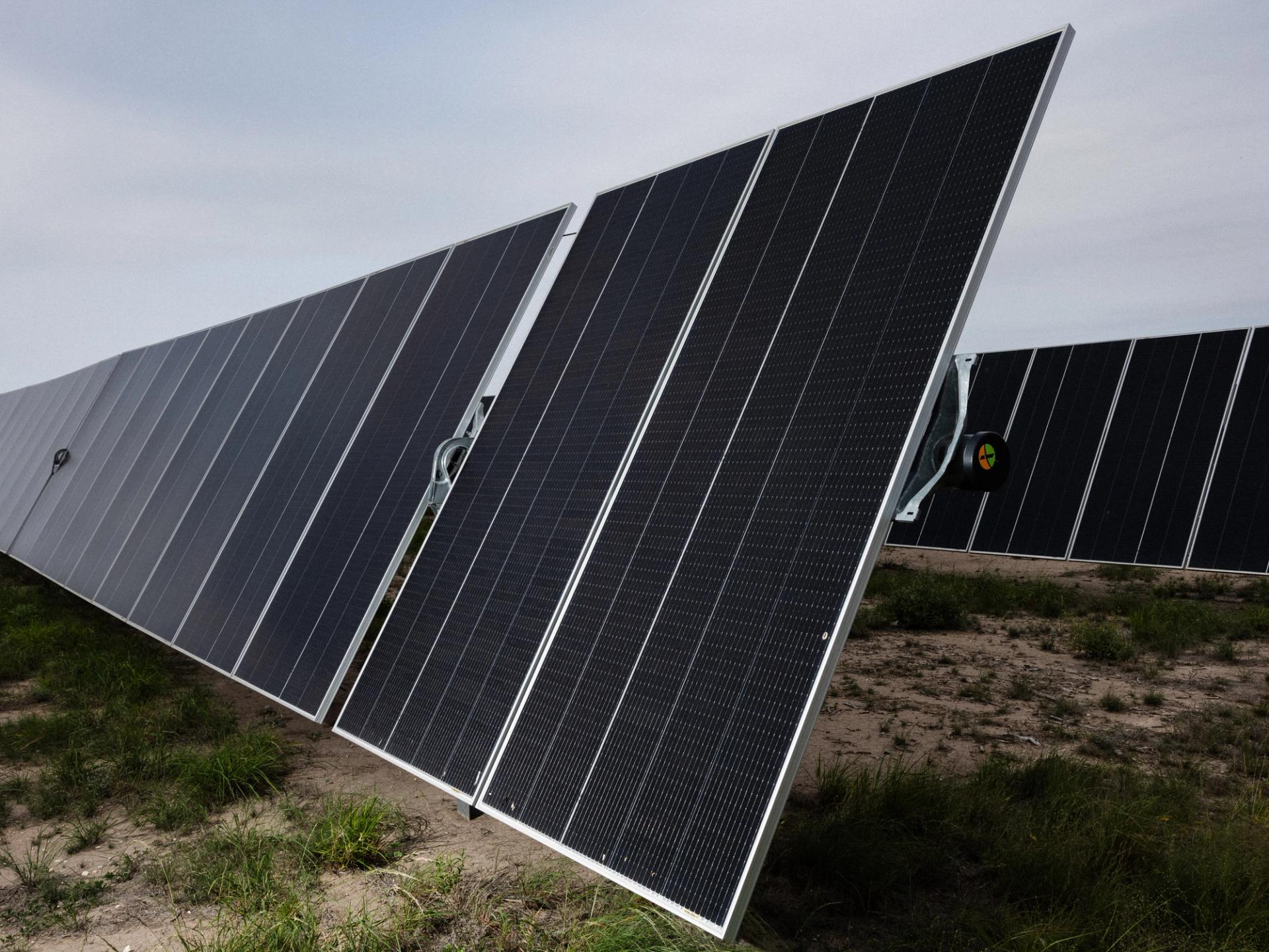
Solar Pile Driving Services for Utility-Scale Solar Projects
The foundation of every solar field begins with precise, dependable pile installation.
Pile Driving That Keeps Projects Moving
Power Ray provides solar pile-driving services to support the structural foundations of utility-scale solar projects.
Our crews help EPC teams lay the groundwork that enables solar construction to proceed efficiently.
When foundations are installed correctly and on schedule, the rest of the project can progress with confidence.
Request a bid to discuss your upcoming solar project.
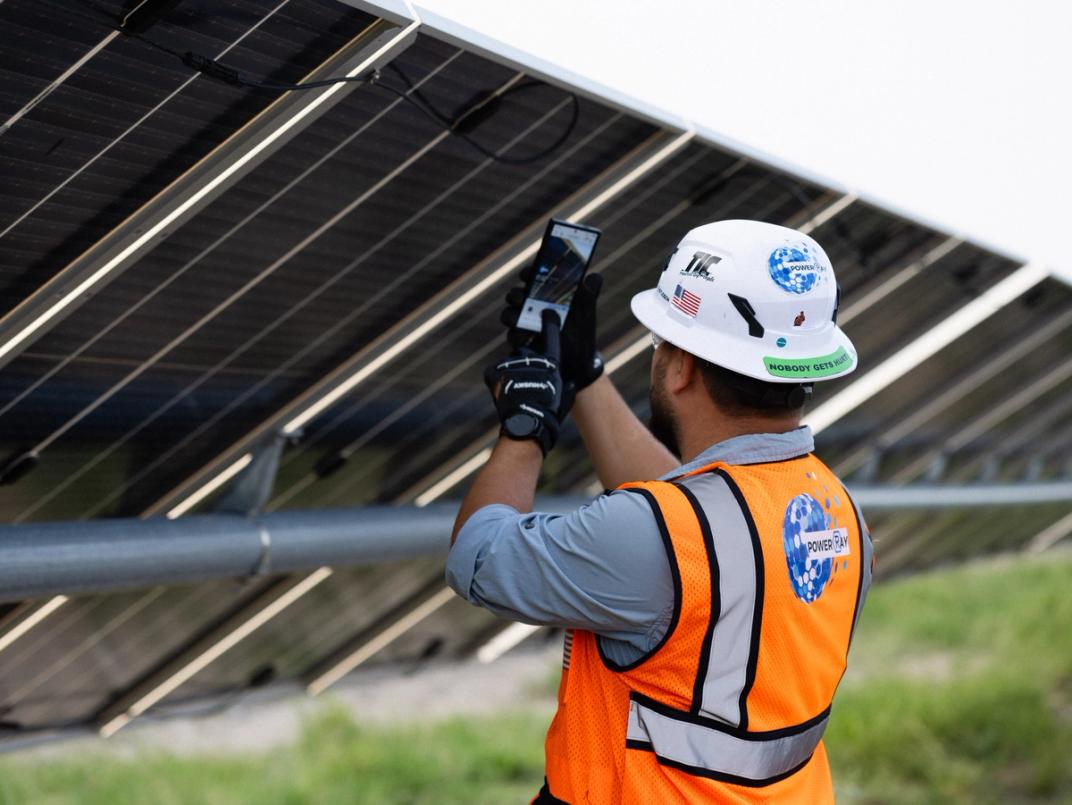
The Importance of Proper Foundation Installation
Solar fields depend on accurate pile installation to support the entire racking system.
When pile driving falls behind schedule or installation quality becomes inconsistent, it can affect every phase of construction that follows.
EPC teams face real pressure during this stage of the project, including:
- Compressed construction schedules
- Challenging soil conditions
- Large field layouts requiring consistent installation
- Coordination with mechanical installation teams
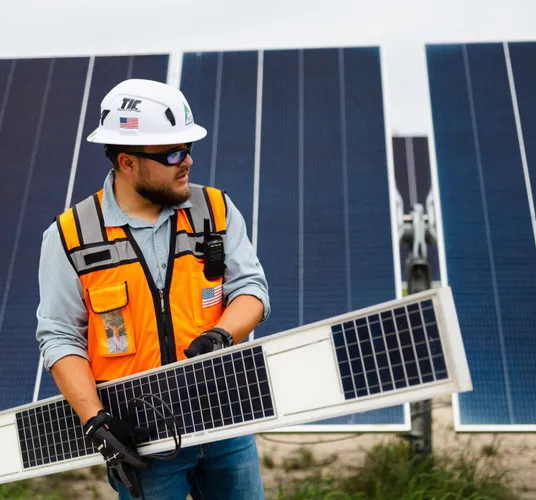
Reliable crews and disciplined field execution are essential to keeping the project moving.
Solar Pile Driving Services
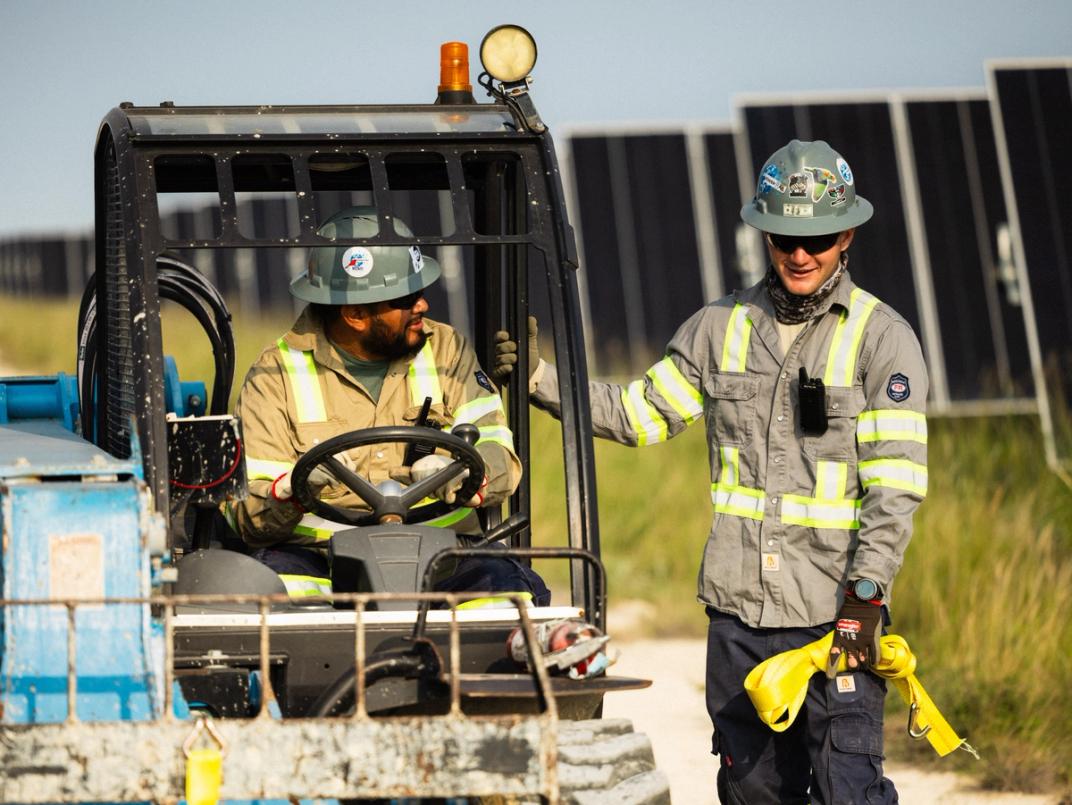
Power Ray supports utility-scale solar construction with experienced crews performing solar pile driving and foundation installation.
Our teams work within the project schedule to install foundations efficiently while maintaining alignment with the broader construction plan.
These foundations establish the structural support required for the solar racking systems that follow.
Built for Utility-Scale Solar Construction
Utility-scale solar projects require crews that understand the scale and pace of large construction sites.
Power Ray teams work closely with EPC leadership to maintain steady progress across the solar field while adapting to changing site conditions.
Our focus is on maintaining installation consistency, communicating early when field conditions change, protecting schedule momentum, and keeping crews aligned with the overall construction plan.
The goal is always to keep the project moving forward without unnecessary disruption.
The goal is always to keep the project moving forward without unnecessary disruption.
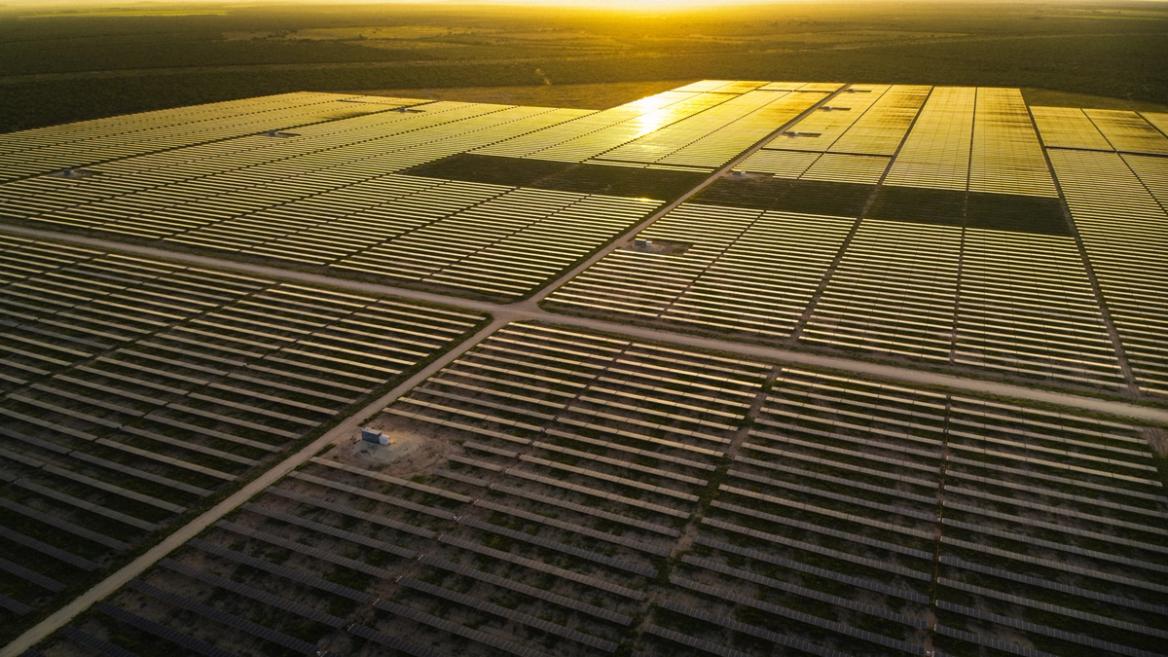
How We Work With EPC Teams
- 01
Align Early
Define scope, schedule, and expectations upfront
- 02
Execute with Flexibility
Adapt to changing site conditions while protecting progress
- 03
Finish Strong
Ensure clean closeouts and successful project delivery

Supporting Projects from the Ground Up
Pile driving and foundation installation set the pace for the entire solar project.
When this phase is executed professionally, downstream scopes move faster, and coordination across the site becomes easier.
Power Ray crews bring practical field experience and disciplined execution to help EPC teams establish strong project foundations.
Mechanical Solar Construction | FAQ Section
What does utility-scale solar mechanical installation include on utility-scale solar projects, and how does it impact overall project execution?
Utility-scale solar mechanical installation includes the physical construction components that form the foundation of utility-scale solar projects, including pile driving, solar racking installation, structural assembly, and alignment of the solar array. In utility-scale solar projects, mechanical installation is a critical phase that directly impacts how efficiently the project can move forward and how well other scopes can be executed. During utility-scale solar mechanical installation, crews are responsible for installing foundations and structural systems across large project sites. This includes driving piles into the ground, assembling racking systems, and ensuring proper alignment for solar modules. Each of these steps must be completed with precision to avoid issues that can affect downstream work. Mechanical installation also sets the pace for the rest of the project. If pile driving or racking installation falls behind schedule, it can delay electrical installation and other critical phases. Because of this, maintaining consistent progress during mechanical work is essential for keeping the entire project on track. Coordination is another key factor. Utility-scale solar mechanical installation must align with project schedules, site conditions, and other contractors. Effective communication and planning help ensure that work progresses smoothly and avoids unnecessary delays. Ultimately, utility-scale solar mechanical installation is not just about building structures. It is a foundational phase that supports project efficiency, coordination, and overall success across utility-scale solar construction services.
Why is utility-scale solar mechanical installation one of the most critical phases in utility-scale solar construction services?
Utility-scale solar mechanical installation is one of the most critical phases in utility-scale solar construction services because it establishes the structural integrity and layout of the entire solar project. In utility-scale solar projects, everything that follows depends on how well the mechanical installation is executed. During utility-scale solar mechanical installation, crews install piles, foundations, and racking systems that support solar modules. These components must be installed with accuracy and consistency across large areas. Any misalignment or inconsistency can create challenges for electrical installation and module placement later in the project. Mechanical installation also impacts timelines. Because it is one of the first major construction phases, delays at this stage can affect all subsequent work. Maintaining steady progress and adapting to site conditions are essential for keeping projects on schedule. Another important factor is quality. Properly installed structural components ensure that the system can withstand environmental conditions and maintain long-term stability. Poor installation can lead to structural issues, increased maintenance, and performance concerns. Because of these factors, EPCs and developers prioritize mechanical installation partners who can deliver consistent results and manage challenges effectively. A strong mechanical installation process supports smoother project execution and better overall outcomes.
How does utility-scale solar mechanical installation affect project timelines and coordination across large utility-scale solar projects?
Utility-scale solar mechanical installation plays a central role in determining project timelines and coordination across large utility-scale solar projects. Because it is one of the first major phases of construction, it sets the pace for everything that follows. During utility-scale solar mechanical installation, tasks such as pile driving and racking installation must be completed in a sequence that allows other teams to begin their work. If mechanical installation falls behind, it can delay electrical crews and create bottlenecks across the project. Coordination between teams is essential. Mechanical crews must work closely with project managers and other contractors to ensure that work areas are ready and accessible. This includes managing equipment, scheduling crews, and adjusting workflows based on site conditions. Another factor is scalability. Utility-scale solar projects often require large crews working across multiple areas. Effective coordination ensures that resources are used efficiently and that progress is maintained across the entire site. When mechanical installation is well-managed, it supports smoother transitions between phases and helps keep projects on schedule. When it is not, delays and inefficiencies can quickly spread across the project.
What challenges typically arise during utility-scale solar mechanical installation, and how can they affect solar projects?
Utility-scale solar mechanical installation involves several challenges that can impact solar projects if not managed properly, including soil variability, equipment coordination, labor availability, and maintaining alignment across large areas. One of the most common challenges is dealing with varying soil conditions during pile driving. Different soil types can affect installation methods and productivity. If not addressed properly, this can lead to inconsistencies or delays. Equipment coordination is another factor. Mechanical installation requires heavy equipment and careful planning to ensure efficient use of resources. Poor coordination can result in downtime and reduced productivity. Labor availability also plays a role. Utility-scale solar projects require skilled crews, and shortages or inefficiencies can impact progress and quality. Maintaining alignment and consistency across large sites is another challenge. Small deviations can create issues for downstream work and require corrections. Addressing these challenges requires planning, adaptability, and strong execution to keep projects moving forward.
How does utility-scale solar mechanical installation influence long-term system performance in solar projects?
Utility-scale solar mechanical installation directly influences long-term system performance in solar projects by ensuring that structural components are properly installed and aligned. In utility-scale solar projects, the quality of mechanical installation affects durability, stability, and overall system reliability. Proper installation of piles and racking systems ensures that solar modules are positioned correctly and can withstand environmental conditions. Poor installation can lead to structural stress, misalignment, and increased maintenance needs. Consistency during installation also supports better system performance. When components are installed uniformly, it reduces the likelihood of issues that can affect energy production. Ultimately, strong mechanical installation supports long-term performance and reliability.
How does utility-scale solar mechanical installation coordinate with other construction phases on utility-scale solar projects, and why is that coordination critical?
Utility-scale solar mechanical installation must coordinate closely with other construction phases on utility-scale solar projects because it establishes the physical framework that all subsequent work depends on. In utility-scale solar projects, mechanical installation is not an isolated activity. It directly influences how electrical installation, module placement, and commissioning progress across the site. During utility-scale solar mechanical installation, crews are responsible for completing pile driving and solar racking installation in a sequence that allows other teams to follow efficiently. Electrical crews depend on properly installed structures to begin wiring and system connections. If mechanical installation is incomplete or inconsistent, it can prevent other teams from accessing work areas or completing their tasks. Coordination also involves managing work zones across large project sites. Utility-scale solar projects are often divided into sections, and mechanical installation must move in a way that creates a steady flow of completed areas for other trades. When this process is aligned, projects can maintain momentum without unnecessary delays. Communication is another critical component. Utility-scale solar mechanical installation requires ongoing coordination with project managers, electrical teams, and other contractors to adjust schedules and respond to site conditions. This includes aligning on daily production goals, equipment movement, and access to work areas. Ultimately, strong coordination between mechanical installation and other phases ensures that utility-scale solar projects move forward efficiently. It reduces delays, improves productivity, and supports a more predictable construction process.
What role does pile driving play in utility-scale solar mechanical installation for utility-scale solar projects, and how does it affect project success?
Utility-scale solar mechanical installation relies heavily on pile driving as a foundational step in constructing utility-scale solar projects, because it establishes the structural base that supports the entire solar array. Pile driving is one of the earliest and most critical tasks in mechanical installation, and its execution has a direct impact on project timelines, alignment, and long-term stability. During utility-scale solar mechanical installation, piles are driven into the ground to create a stable foundation for solar racking systems. The accuracy and consistency of this process are essential. If piles are not installed correctly, it can lead to misalignment in the racking system, which can affect module placement and downstream work. Pile driving also plays a significant role in project timelines. Because it is one of the first major activities on site, delays at this stage can impact all subsequent phases. Soil conditions, weather, and equipment performance can all influence pile driving productivity, making it important for contractors to adapt quickly to changing conditions. Another key factor is quality control. Utility-scale solar mechanical installation requires careful monitoring of pile depth, alignment, and spacing to ensure that structural requirements are met. Inconsistent pile installation can lead to rework, delays, and additional costs. Ultimately, pile driving is a critical component of utility-scale solar mechanical installation that affects both immediate project execution and long-term system performance. Proper execution supports stability, alignment, and overall project success.
How do contractors maintain quality during utility-scale solar mechanical installation on large utility-scale solar projects?
Utility-scale solar mechanical installation requires a strong focus on quality control to ensure consistent results across large utility-scale solar projects, where even small variations can impact alignment, performance, and downstream construction phases. Maintaining quality during mechanical installation involves a combination of skilled labor, standardized processes, and effective oversight. One of the primary ways contractors maintain quality during utility-scale solar mechanical installation is by using experienced crews who understand the requirements of solar construction. Skilled workers are familiar with pile driving techniques, racking installation, and alignment standards, which helps ensure that work is completed accurately. Standardization is another key factor. Utility-scale solar mechanical installation involves repetitive tasks across large areas, and consistent processes help ensure uniform results. This includes following established procedures for pile installation, racking assembly, and alignment checks. Inspection and verification also play an important role. Regular checks throughout the installation process help identify issues early and prevent them from affecting later phases. This includes verifying pile placement, checking alignment, and ensuring that all components meet project specifications. Coordination with other teams also supports quality. When mechanical installation is aligned with electrical work and project management, it reduces the risk of miscommunication and ensures that work progresses in the correct sequence. Ultimately, maintaining quality during utility-scale solar mechanical installation requires attention to detail, strong processes, and effective communication, all of which contribute to reliable project outcomes.
What risks can arise from poor utility-scale solar mechanical installation on utility-scale solar projects, and how can they impact timelines and performance?
Utility-scale solar mechanical installation that is not executed properly can introduce a range of risks that affect timelines, performance, and overall project success across utility-scale solar projects. Because mechanical installation forms the foundation of the system, any issues at this stage can have widespread consequences. One of the primary risks is structural misalignment. If piles or racking systems are not installed correctly, it can create challenges for module placement and electrical installation. This can lead to rework, delays, and increased costs. Another risk is project delays. Poor execution during utility-scale solar mechanical installation often requires corrections, which can slow down progress and impact subsequent phases. Because other teams depend on completed mechanical work, these delays can affect the entire project timeline. There are also long-term performance risks. Improper installation can lead to structural instability, increased wear on components, and potential maintenance issues over time. These problems can affect system reliability and efficiency. Coordination issues can further compound these risks. If mechanical installation is not aligned with other phases, it can create bottlenecks and reduce overall productivity. Addressing these risks requires careful planning, skilled execution, and strong oversight. When utility-scale solar mechanical installation is handled correctly, it minimizes potential issues and supports a smoother project outcome.
How does utility-scale solar mechanical installation support successful project completion and commissioning on utility-scale solar projects?
Utility-scale solar mechanical installation plays a critical role in supporting successful project completion and commissioning on utility-scale solar projects by ensuring that all structural components are properly installed and ready for subsequent phases of construction. Because mechanical installation is foundational, its quality directly affects how smoothly projects move toward final completion. During utility-scale solar mechanical installation, crews must ensure that piles, racking systems, and structural components are installed accurately and consistently. This creates a stable framework for electrical installation and module placement, both of which are essential for commissioning. Mechanical installation also influences how efficiently testing and commissioning can be completed. When structures are properly aligned and installed, it allows other teams to complete their work without delays or complications. In contrast, issues during mechanical installation can create obstacles that slow down the commissioning process. Coordination is another key factor. Utility-scale solar mechanical installation must align with project schedules and ensure that all areas are ready for final phases of work. This requires communication between teams and careful planning to avoid delays. Ultimately, strong execution during utility-scale solar mechanical installation supports a smoother path to project completion. It reduces the risk of delays, improves efficiency, and helps ensure that utility-scale solar projects are delivered successfully.