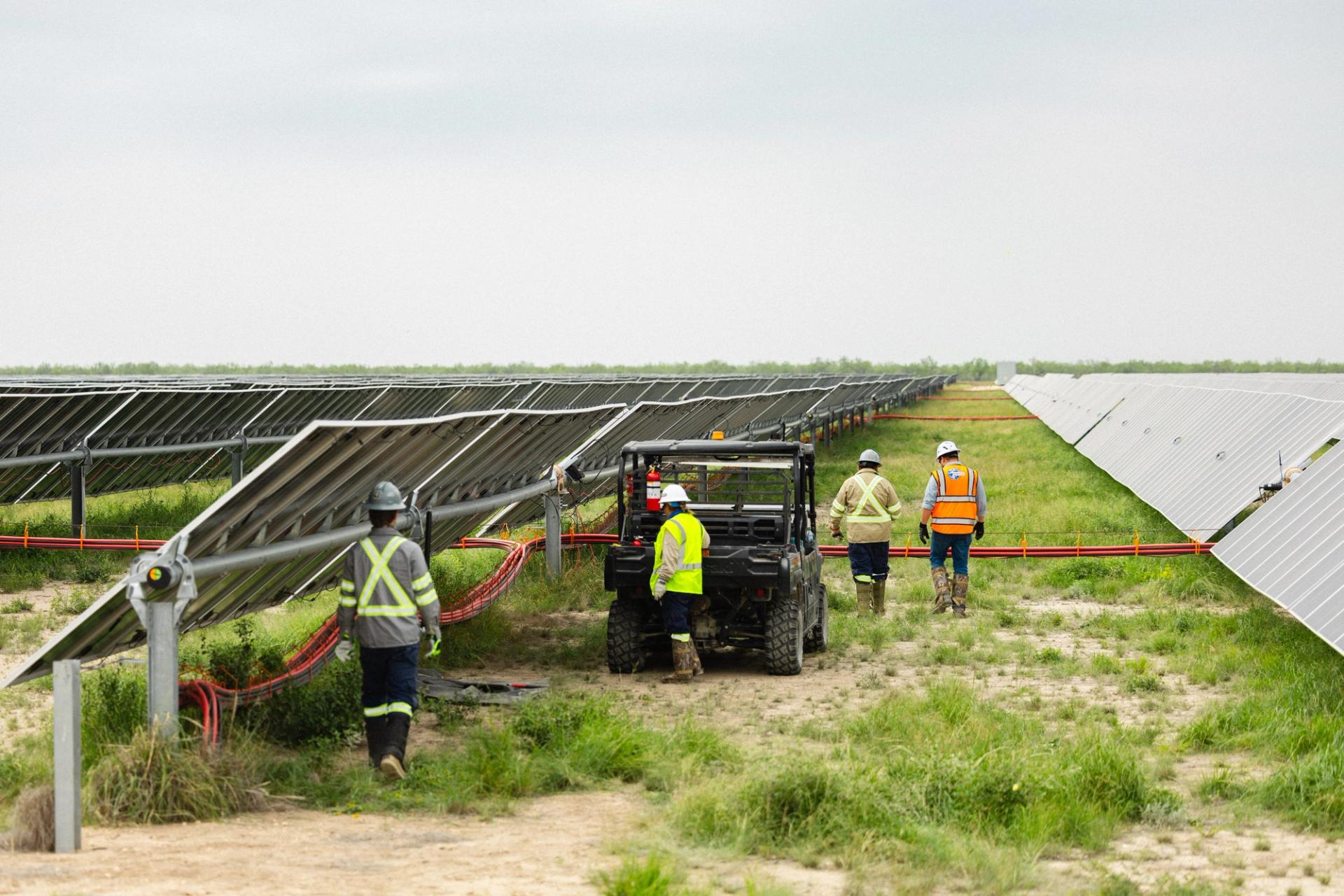
Utility-Scale Solar Operations and Maintenance
Solar facilities require ongoing support long after construction is complete.
Operations & Maintenance That Keep Solar Facilities Running
Power Ray provides utility-scale solar operations and maintenance services that help solar owners, EPCs, and service providers keep solar facilities operating reliably.
Our crews support solar sites with field services that address repairs, maintenance, and operational needs so facilities can continue producing power.
Request a bid to discuss your O&M needs.
The Reality of Operating Solar Facilities
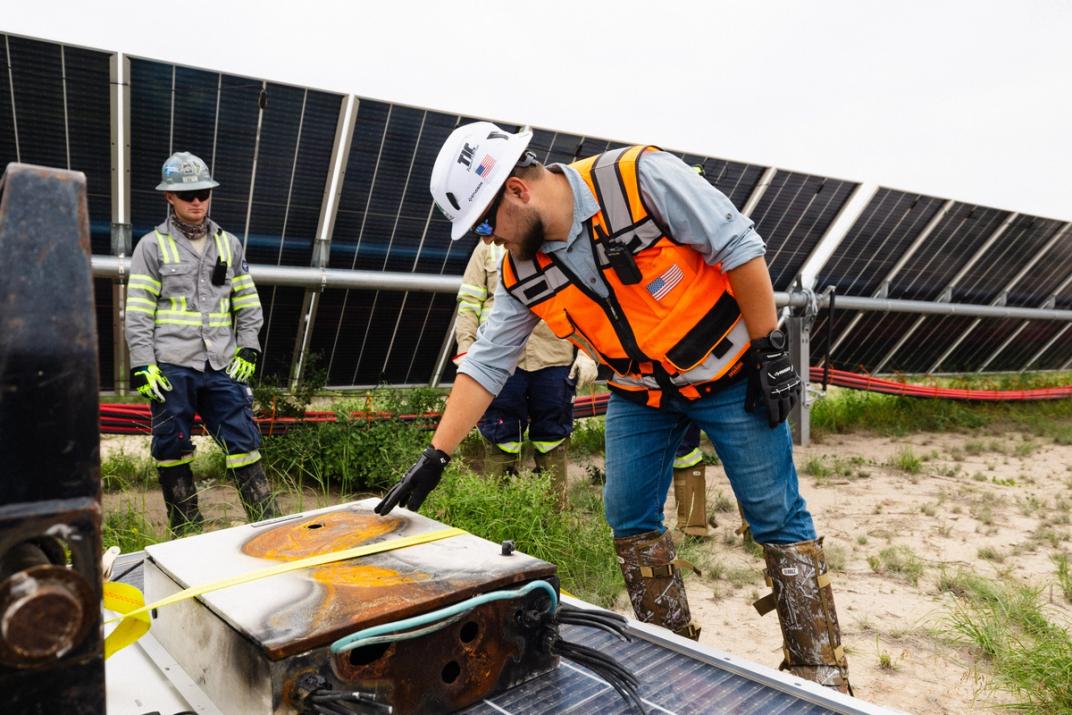
Solar facilities operate for decades, and over time, issues can arise that require experienced field crews.
Site operators must respond to:
-
Storm damage and weather impacts
-
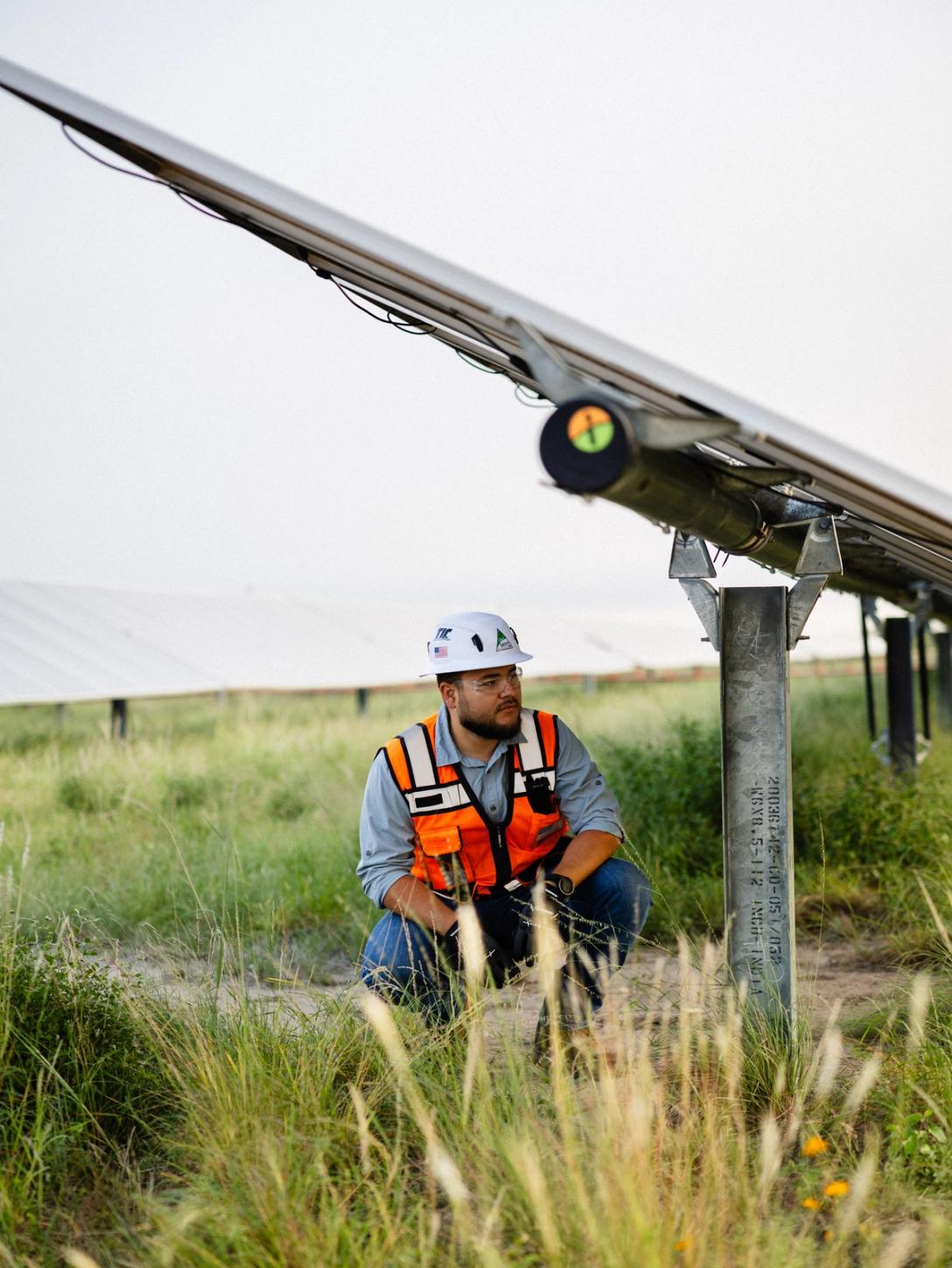
Structural issues in the solar field
-
Equipment replacement or adjustments
-
Ongoing preventative maintenance
When these issues occur, fast and reliable field support helps minimize disruption and maintain system performance.
Utility-Scale Solar O&M Services
Power Ray supports solar operators and EPC partners with a range of operations and maintenance services across utility-scale solar facilities.
Our teams provide field support for:
- Storm damage remediation
- Pile remediation services
- Solar rebuilds and repowering
- Preventive maintenance services
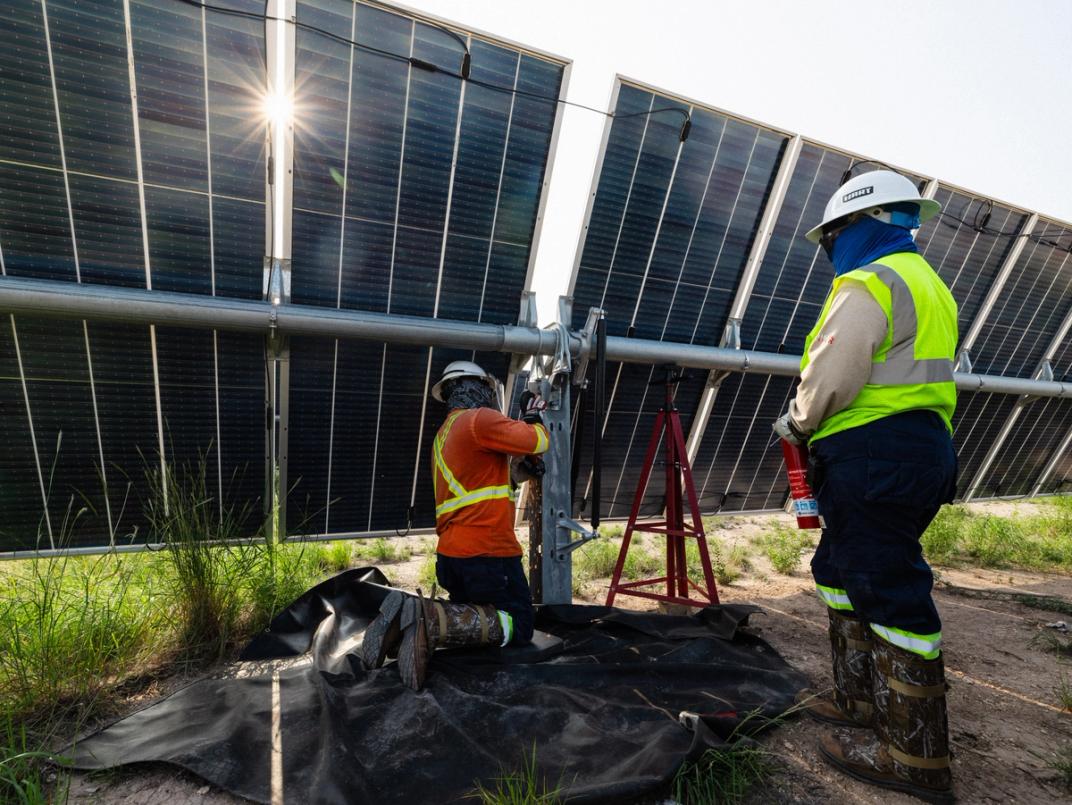
These services help solar facilities continue operating safely while addressing issues that develop over time.
Supporting Solar Facilities in the Field
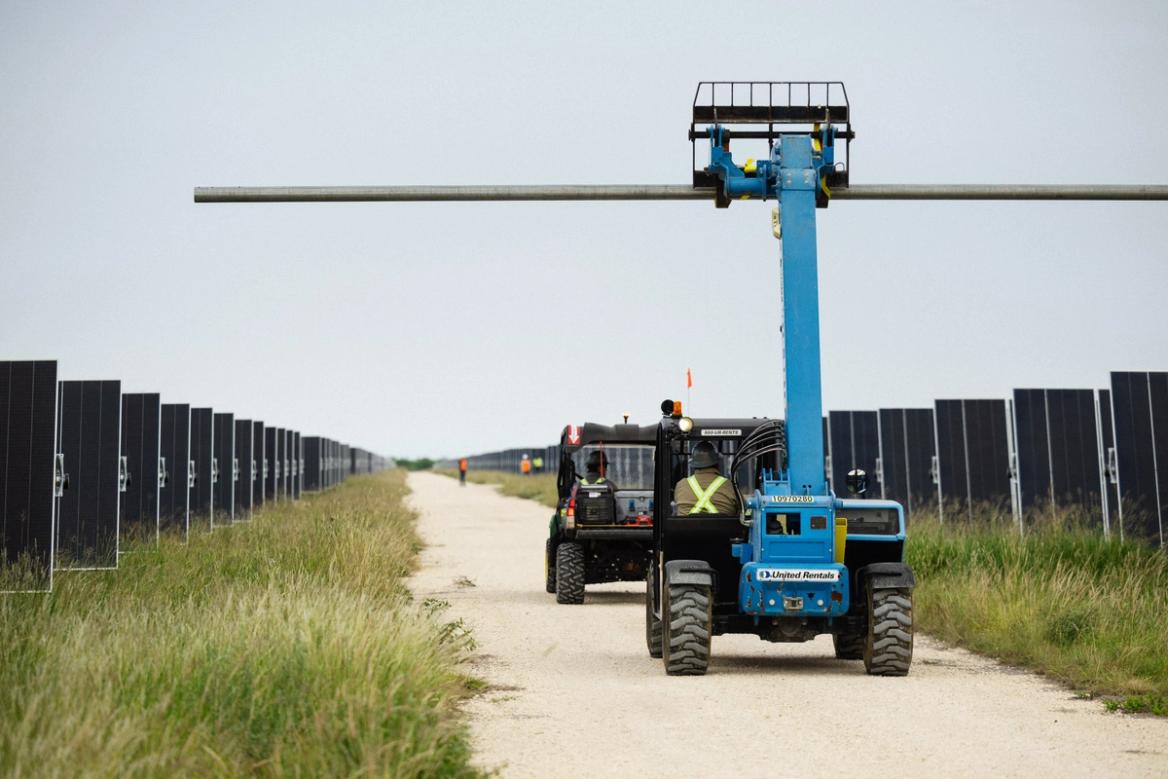
Operations and maintenance work often requires crews that can mobilize quickly and work efficiently across large solar sites.
Power Ray crews support solar facilities by focusing on:
- Safe field execution
- Clear communication with site operators
- Reliable repair and remediation work
- Maintaining operational continuity
Our teams help ensure solar facilities continue functioning as intended.
Our teams help ensure solar facilities continue functioning as intended.
How We Work With Solar Operators and EPC Teams
- 01
Align Early
Define scope, schedule, and expectations upfront
- 02
Execute with Flexibility
Adapt to changing site conditions while protecting progress
- 03
Finish Strong
Ensure clean closeouts and successful project delivery

Keeping Solar Facilities Operating
Over the life of a solar facility, maintenance and repair work become essential to maintaining long-term performance.
When issues are addressed early and handled professionally, solar sites can continue operating with fewer disruptions.
Power Ray crews help support that stability through dependable operations and maintenance services.
Operations & Maintenance (O&M) | FAQ Section
What does utility-scale solar operations and maintenance include for ongoing utility-scale solar projects, and why is it essential after construction is complete?
Utility-scale solar operations and maintenance include the ongoing services required to keep utility-scale solar projects operating efficiently after construction is complete, including preventative maintenance, system inspections, repairs, storm damage remediation, and performance monitoring. In utility-scale solar projects, operations and maintenance are essential because they ensure that systems continue to function reliably and consistently over time. After construction, utility-scale solar projects transition into a long-term operational phase where performance depends on the condition and functionality of the system. Utility-scale solar operations and maintenance teams are responsible for identifying potential issues early, addressing wear and tear, and maintaining system integrity across all components. Preventative maintenance is a key part of this process. Routine inspections and servicing help reduce the likelihood of unexpected failures and extend the lifespan of system components. This includes checking electrical connections, inspecting structural systems, and verifying overall performance. Another important aspect is responsiveness. Utility-scale solar operations and maintenance teams must be able to address unexpected issues such as storm damage or equipment failures quickly and effectively. Timely repairs help minimize downtime and maintain consistent energy production. Ultimately, utility-scale solar operations and maintenance ensures that solar projects continue to perform as expected, protect long-term investments, and operate efficiently well beyond the initial construction phase.
Why is utility-scale solar operations and maintenance critical for long-term performance and reliability in utility-scale solar projects?
Utility-scale solar operations and maintenance is critical for long-term performance and reliability in utility-scale solar projects because it ensures that systems continue to operate efficiently, safely, and consistently throughout their lifespan. In utility-scale solar projects, ongoing maintenance is necessary to address environmental exposure, system wear, and operational challenges that can impact performance. Without proper utility-scale solar operations and maintenance, small issues can develop into larger problems that affect energy production and system reliability. Routine inspections and preventative maintenance help identify these issues early, allowing them to be addressed before they impact overall system performance. Reliability is also influenced by how quickly issues are resolved. Utility-scale solar operations and maintenance teams play a key role in responding to system failures, equipment malfunctions, and environmental damage. Quick response times help minimize downtime and ensure that energy production remains consistent. Additionally, maintenance helps preserve the condition of system components over time. Regular servicing reduces the likelihood of premature failure and extends the life of equipment, which supports long-term project performance. Because of these factors, utility-scale solar operations and maintenance is an essential part of managing solar projects effectively. It helps maintain performance, reduce risk, and ensure that systems continue to operate as intended.
How does utility-scale solar operations and maintenance help prevent downtime and protect utility-scale solar project investments?
Utility-scale solar operations and maintenance helps prevent downtime and protect utility-scale solar project investments by proactively identifying issues, maintaining system performance, and ensuring that problems are addressed before they escalate. In utility-scale solar projects, minimizing downtime is critical because interruptions in operation can directly impact energy production and overall project value. Through regular inspections and preventative maintenance, utility-scale solar operations and maintenance teams can detect signs of wear, damage, or inefficiency early. This allows for corrective actions to be taken before issues result in system failures or outages. When unexpected problems occur, rapid response is essential. Utility-scale solar operations and maintenance teams are responsible for diagnosing issues, performing repairs, and restoring functionality as quickly as possible. This helps minimize downtime and maintain consistent operation. Another important factor is performance optimization. By ensuring that all components are functioning properly, operations and maintenance teams help maintain efficient energy production and prevent performance degradation over time. Ultimately, utility-scale solar operations and maintenance plays a critical role in protecting the value of solar projects by reducing risk, maintaining system reliability, and supporting long-term performance.
What challenges typically arise during utility-scale solar operations and maintenance, and how can they impact utility-scale solar projects?
Utility-scale solar operations and maintenance involves several challenges that can impact utility-scale solar projects if not managed effectively, including environmental exposure, equipment wear, system monitoring, and response to unexpected events. These challenges can affect both short-term performance and long-term system reliability. One of the most common challenges is environmental exposure. Utility-scale solar projects are often located in areas that experience varying weather conditions, which can lead to wear and damage over time. Utility-scale solar operations and maintenance teams must continuously monitor systems to identify and address these issues. Equipment wear is another factor. Over time, system components may degrade or require servicing. Without regular maintenance, this can lead to reduced performance or system failures. Monitoring and diagnostics also present challenges. Utility-scale solar operations and maintenance requires accurate system monitoring to detect issues early. Inconsistent monitoring can result in delayed responses and increased downtime. Additionally, responding to unexpected events such as storms or equipment failures requires coordination and efficiency. Delays in response can impact system performance and increase repair costs. Addressing these challenges requires proactive planning, consistent monitoring, and effective execution to maintain system performance and reliability.
How does utility-scale solar operations and maintenance influence long-term system performance in utility-scale solar projects?
Utility-scale solar operations and maintenance directly influences long-term system performance in utility-scale solar projects by ensuring that all components continue to function efficiently and reliably over time. In utility-scale solar projects, consistent maintenance is essential for maintaining energy production and system stability. Regular inspections and preventative maintenance help identify issues early, reducing the risk of system failures. This proactive approach supports consistent performance and helps prevent degradation over time. Maintenance also ensures that system components are operating at optimal levels. This includes verifying electrical connections, inspecting structural components, and addressing any inefficiencies. Over time, this consistent attention helps extend the lifespan of the system and reduce the need for major repairs. Ultimately, utility-scale solar operations and maintenance supports long-term performance by maintaining system reliability and efficiency.
How does utility-scale solar operations and maintenance coordinate with construction teams and ongoing project needs in utility-scale solar projects?
Utility-scale solar operations and maintenance must coordinate closely with construction teams and ongoing project needs in utility-scale solar projects to ensure continuity, system integrity, and efficient transitions from construction to long-term operation. In utility-scale solar projects, operations and maintenance is not a separate phase that begins after construction ends. Instead, it often overlaps with final construction activities, commissioning, and early-stage system monitoring. During utility-scale solar operations and maintenance, teams may be involved before a project is fully completed, particularly during punch list work, system testing, and commissioning support. This requires coordination with construction teams to ensure that all systems are properly installed, documented, and ready for long-term operation. If communication between teams is limited, it can result in incomplete handoffs, missing information, or delays in identifying issues. Another important aspect of coordination is understanding system design and installation details. Utility-scale solar operations and maintenance teams rely on accurate documentation and clear communication from construction teams to perform their work effectively. This includes system layouts, wiring configurations, and equipment specifications. Ongoing coordination also involves responding to evolving project needs. Utility-scale solar projects may require adjustments, upgrades, or repairs over time, and operations and maintenance teams must work alongside other contractors to address these needs without disrupting system performance. Ultimately, strong coordination between construction and operations teams ensures that utility-scale solar projects transition smoothly into long-term operation. It helps maintain system performance, reduce risks, and support efficient project management over time.
What role does preventative maintenance play in utility-scale solar operations and maintenance for utility-scale solar projects?
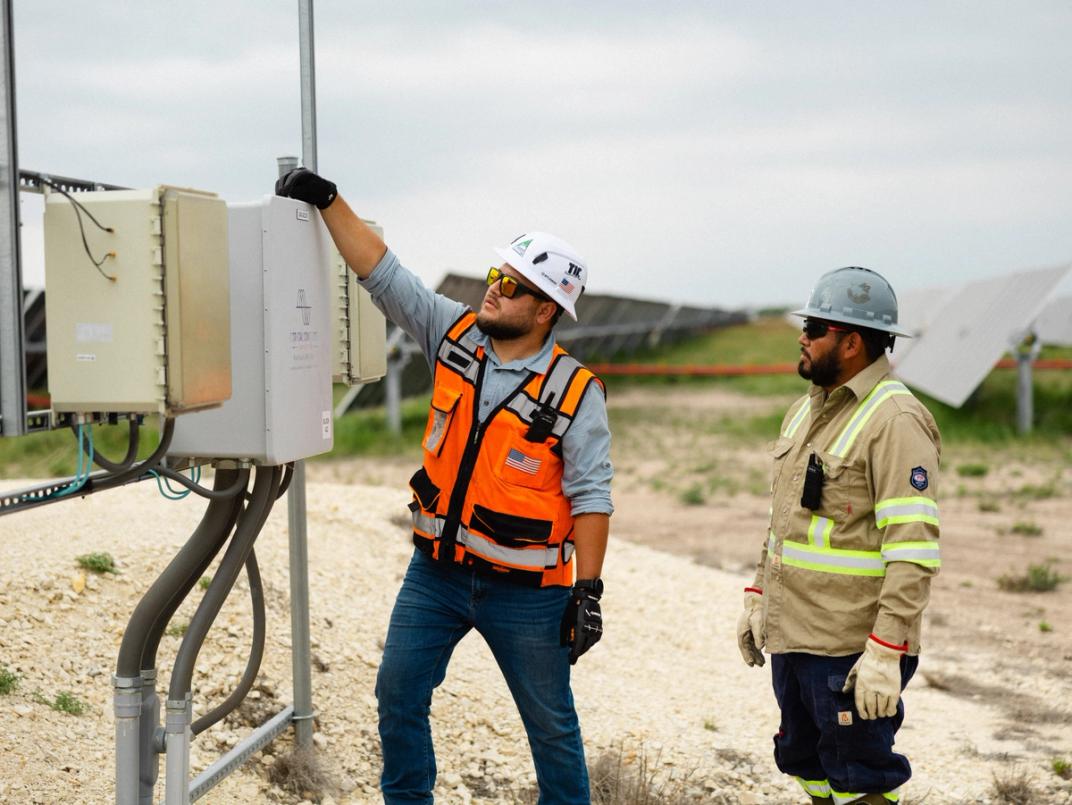
Utility-scale solar operations and maintenance relies heavily on preventative maintenance to ensure consistent performance and reduce the risk of unexpected failures across utility-scale solar projects. Preventative maintenance involves routine inspections, servicing, and system checks that help identify and address issues before they impact performance. During utility-scale solar operations and maintenance, preventative maintenance includes tasks such as inspecting electrical connections, checking system components, monitoring performance data, and addressing minor issues before they escalate. This proactive approach helps maintain system efficiency and reduces the likelihood of downtime. Preventative maintenance also supports long-term system health. By regularly servicing components and ensuring proper functionality, operations and maintenance teams can extend the lifespan of equipment and reduce the need for major repairs or replacements. Another key benefit is improved reliability. Utility-scale solar projects depend on consistent energy production, and preventative maintenance helps ensure that systems continue to operate without interruption. This reduces the risk of unexpected outages and supports stable performance. Ultimately, preventative maintenance is a critical component of utility-scale solar operations and maintenance that helps maintain system performance, reduce risks, and support long-term project success.
How do contractors maintain quality and consistency during utility-scale solar operations and maintenance on large utility-scale solar projects?
Utility-scale solar operations and maintenance requires a structured approach to maintaining quality and consistency across large utility-scale solar projects, where systems must operate reliably over long periods of time. Maintaining quality during operations and maintenance involves standardized processes, skilled teams, and continuous monitoring. One of the primary ways contractors maintain quality is through consistent inspection protocols. Utility-scale solar operations and maintenance teams follow established procedures for checking system performance, identifying issues, and verifying that all components are functioning correctly. Skilled personnel also play a critical role. Experienced teams understand how to diagnose issues, perform repairs, and maintain systems efficiently. Their expertise helps ensure that maintenance activities are completed accurately and effectively. Monitoring systems provide another layer of quality control. Utility-scale solar operations and maintenance teams use performance data to track system output and identify potential issues. This allows for timely interventions and supports consistent system performance. Coordination between teams is also important. Maintenance activities must align with project schedules and operational requirements to avoid disruptions. Ultimately, maintaining quality during utility-scale solar operations and maintenance requires attention to detail, strong processes, and effective communication, all of which contribute to reliable system performance.
What risks can arise from poor utility-scale solar operations and maintenance on utility-scale solar projects, and how can they impact long-term performance?
Utility-scale solar operations and maintenance that is not executed properly can introduce significant risks that affect long-term performance, reliability, and overall project value across utility-scale solar projects. Because solar systems are designed to operate for many years, ongoing maintenance plays a critical role in preserving system integrity. One of the primary risks is performance degradation. Without proper maintenance, system components can become less efficient over time, leading to reduced energy production. Another risk is increased downtime. Failure to identify and address issues early can result in system outages that impact overall performance and project returns. There are also risks related to equipment failure. Poor maintenance practices can lead to premature wear and unexpected breakdowns, which can be costly to repair. Additionally, lack of proper monitoring and response can allow small issues to escalate into larger problems. Addressing these risks requires consistent and proactive utility-scale solar operations and maintenance to ensure long-term system performance and reliability.
How does utility-scale solar operations and maintenance support successful long-term operation and asset management for utility-scale solar projects?
Utility-scale solar operations and maintenance plays a critical role in supporting successful long-term operation and asset management for utility-scale solar projects by ensuring that systems remain efficient, reliable, and well-maintained throughout their lifecycle. In utility-scale solar projects, long-term success depends not only on construction quality but also on how well systems are managed over time. During utility-scale solar operations and maintenance, teams are responsible for monitoring system performance, performing routine maintenance, and addressing any issues that arise. This ongoing oversight helps ensure that systems continue to operate as expected and that any problems are resolved quickly. Asset management is closely tied to maintenance activities. Utility-scale solar operations and maintenance teams help protect the value of solar projects by maintaining equipment, optimizing performance, and reducing the risk of major failures. Another important factor is adaptability. Over time, solar projects may require upgrades, repairs, or adjustments. Operations and maintenance teams play a key role in implementing these changes while maintaining system performance. Ultimately, utility-scale solar operations and maintenance supports long-term success by maintaining system reliability, protecting project investments, and ensuring that utility-scale solar projects continue to deliver consistent results over time.